
Why You Must Prioritize Technical Debt
Before It Costs You More Than You Think
Written by Carrie BrillThe deadline is looming, the stakeholder is tapping their watch, and the engineering lead says, "Well, we could get it done by Friday, but we’d have to take some shortcuts." Sound Familiar? In the moment, the answer seems obvious. You take the shortcut. You ship the feature. Everyone celebrates. But you didn't just buy speed; you borrowed it. And eventually, you have to pay the price.
The "Credit Card" Reality
Technical debt isn't just a buzzword engineers throw around when they want to refactor code; it’s the interest you pay on those shortcuts. Every time we hack something together to meet a deadline, we are effectively swiping a credit card.
Doing it once or twice is fine—sometimes it’s even smart business strategy to capture a market opportunity. The problem arises when you keep swiping the card without ever paying off the balance. Eventually, you max out.
In product terms, "maxing out" doesn't mean your credit score drops. It means your velocity does.


The Silent Roadmap Killer:
The most dangerous thing about technical debt is that it’s invisible to the people signing the checks. Stakeholders see the interface; they don't see the spaghetti code holding it together.
But they will feel the side effects. You’ll know debt is crushing your team when:
- Simple changes take forever: "Why is changing this button text a three-day ticket?" (Answer: Because the code is so brittle everyone is terrified to touch it).
- You’re stuck in "Whac-A-Mole": Every time you fix a bug, two more pop up.
- Morale tanks: Good engineers hate working in bad code. If they spend 100% of their time fighting fires instead of building cool stuff, they will leave.
How to Sell the "Cleanup"
As a Product Manager, your job isn't to write the code, but it is your job to protect the asset. You have to be the translator. You have to explain to the business that we aren't "just cleaning up code" for the sake of aesthetics.
We are paying down debt so we can move faster next month.
Here is how I try to balance it without halting feature work entirely:
- The Scout Rule: Encourage the team to leave the codebase a little cleaner than they found it.
- The "Tax": Dedicate a percentage of every sprint (say, 10-20%) to tech debt. It’s the cost of doing business, just like paying the electricity bill.
- Prioritize Ruthlessly: Not all debt needs fixing. If a messy piece of code is sitting in a feature nobody uses, leave it. Focus on the debt that is actively slowing you down or risking stability.
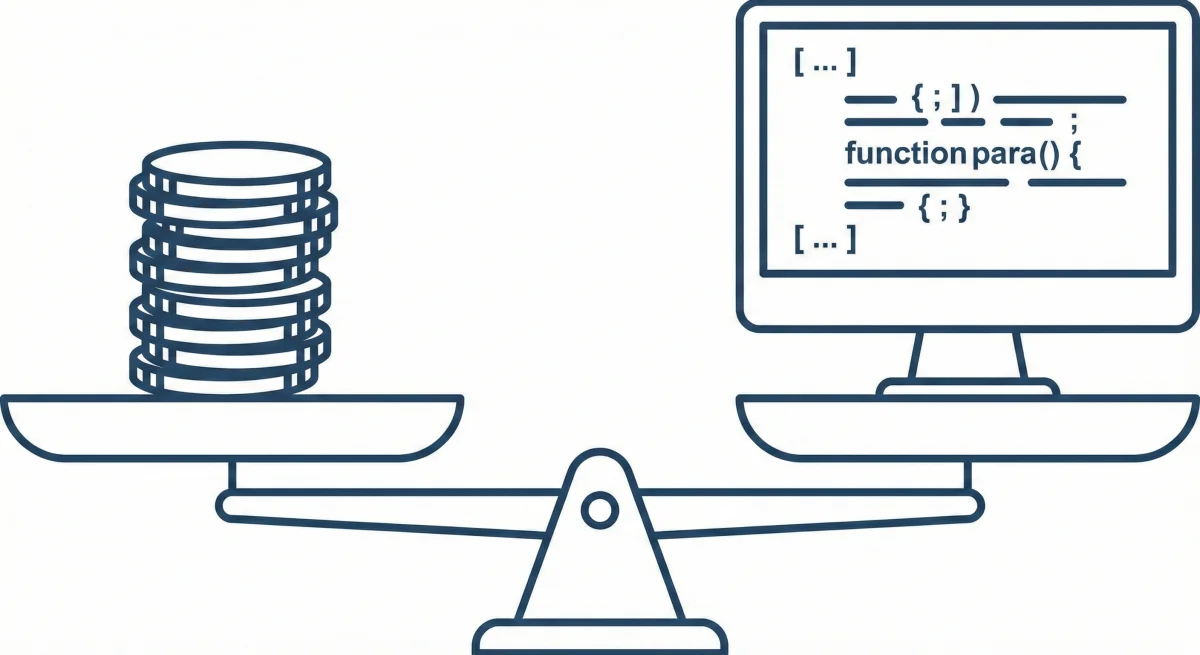
The Bottom Line
Ignoring technical debt feels like moving fast, right up until the moment you stop moving entirely.
Prioritizing it isn't about slowing down; it’s about ensuring you have a sustainable engine for the future. So, the next time your engineers ask for time to refactor, listen to them. They aren't trying to slow you down. They’re trying to make sure you can keep running.
Is your velocity stalling out? If simple features are taking weeks to ship, you might be drowning in debt. We help product teams and engineers get on the same page, identifying the technical roadblocks that impact the bottom line—and fixing them.
Let’s clear the debt