
Why Your Developers Hate Scrum
And How We Can Get Back to Its True Purpose
Written by Carrie Brill
Scrum was supposed to be the antidote to the Waterfall death march. It was sold as a way to liberate engineers from endless documentation and give them the autonomy to build great software.
But if you mention "Scrum" to a seasoned developer today, you won’t get a look of liberation. You’ll get an eye-roll.
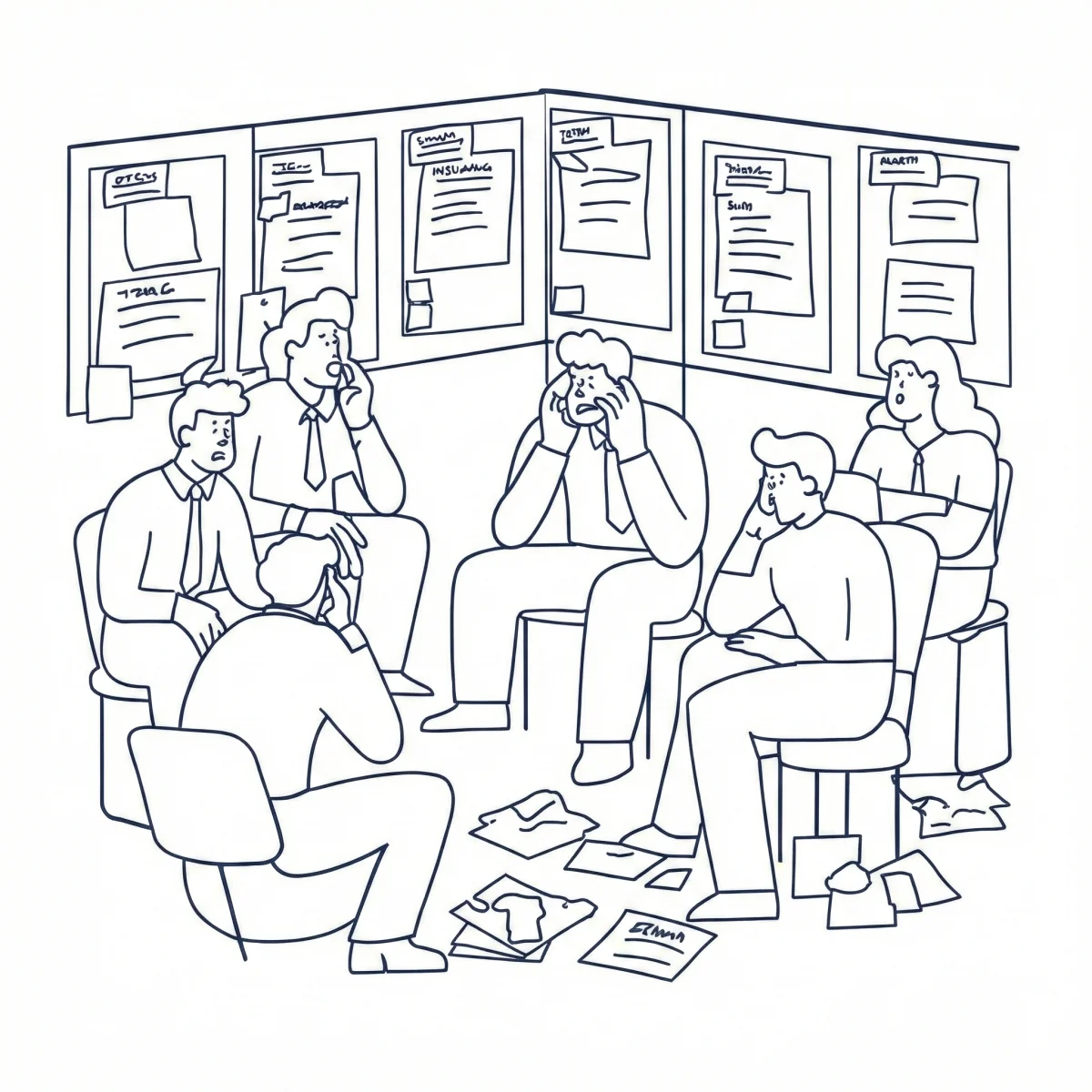
For many engineering teams, Scrum has morphed from a tool for collaboration into a weapon of micromanagement. It has become a relentless cycle of "micromanagement in two-week increments," where the goal isn't shipping value, it's feeding the Jira beast.
So, how did we get here, and how do we fix it?
The Weaponization of Agile
The reason developers hate Scrum isn't because they hate organization. They hate the surveillance.
Somewhere along the line, organizations lost the plot. They took a framework meant to empower teams and turned it into a tracking mechanism.
- The Stand-up: Instead of a 15-minute sync to remove blockers, it became a status report where engineers justify their existence to a PM holding a stopwatch.
- The Sprint: Instead of a focused timebox to do deep work, it became a game of "Tetris," cramming as many story points as possible into 10 days until the team snaps.
- The Velocity: Instead of a planning tool, it became a performance metric. (Hint: If you judge developers by how many points they complete, they will just inflate the points. You aren't getting more work; you’re getting number inflation).
When Scrum focuses solely on output (speed) rather than outcome (quality), technical debt explodes, and engineers burn out.
What Scrum Was Actually Supposed to Do
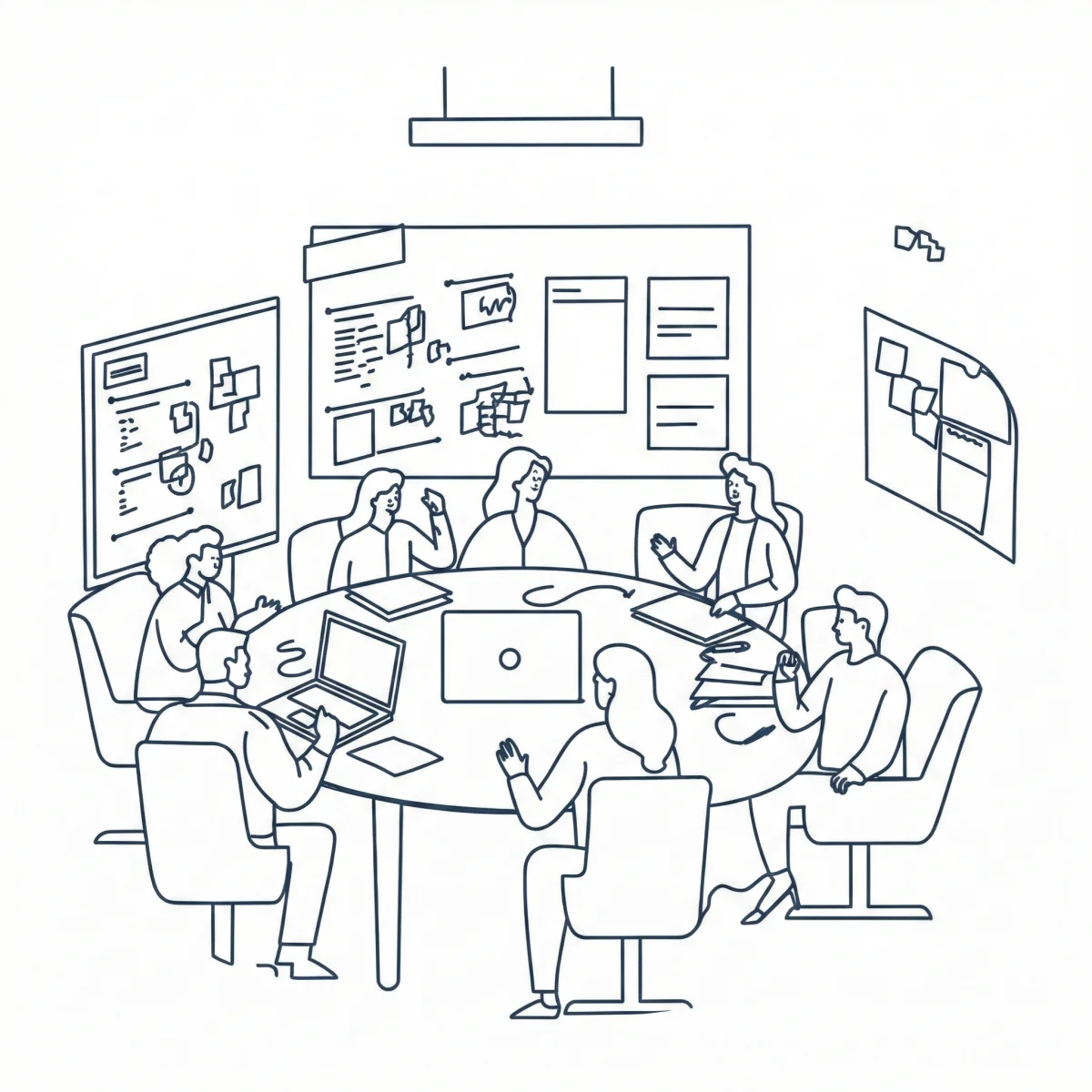
At its core, Scrum is supposed to be a shield.
Its true purpose is to protect the engineering team from the chaos of the business. It’s supposed to say to stakeholders: "Stop interrupting us every hour. Let us focus for two weeks, and we promise to deliver something valuable at the end."
When done right, Scrum isn't about tracking; it's about communication. It’s about creating a rhythm where bottlenecks are smashed quickly, and engineers have the clarity they need to do what they love: build things.
How to Stop the Bleeding
If your team dreads the daily stand-up, the process is broken. As Product Managers, it is our job to fix the process, not force the team to endure it.
Here is how we bring Scrum back to its roots:
- Stop "Reporting" and Start "Unblocking": If a stand-up feels like a status update for the manager, change it. The only question that matters is: "What is stopping you from finishing this today?" If there are no blockers, the meeting ends in 5 minutes.
- Respect the Estimates: If the engineers say a feature is an 8-pointer, it’s an 8-pointer. Negotiating them down doesn't change the complexity of the code; it just destroys trust (and guarantees bugs).
- Burn the "Feature Factory" Mentality: Sprints must include time for technical debt and refactoring. If you fill every sprint to 100% capacity with new features, you are driving the car without ever changing the oil.
- Value Silence: The best gift you can give a developer is a four-hour block of time where they don't have to talk to you, update a ticket, or sit in a meeting.
The Bottom Line
Scrum isn't the enemy. Bad Scrum is the enemy.
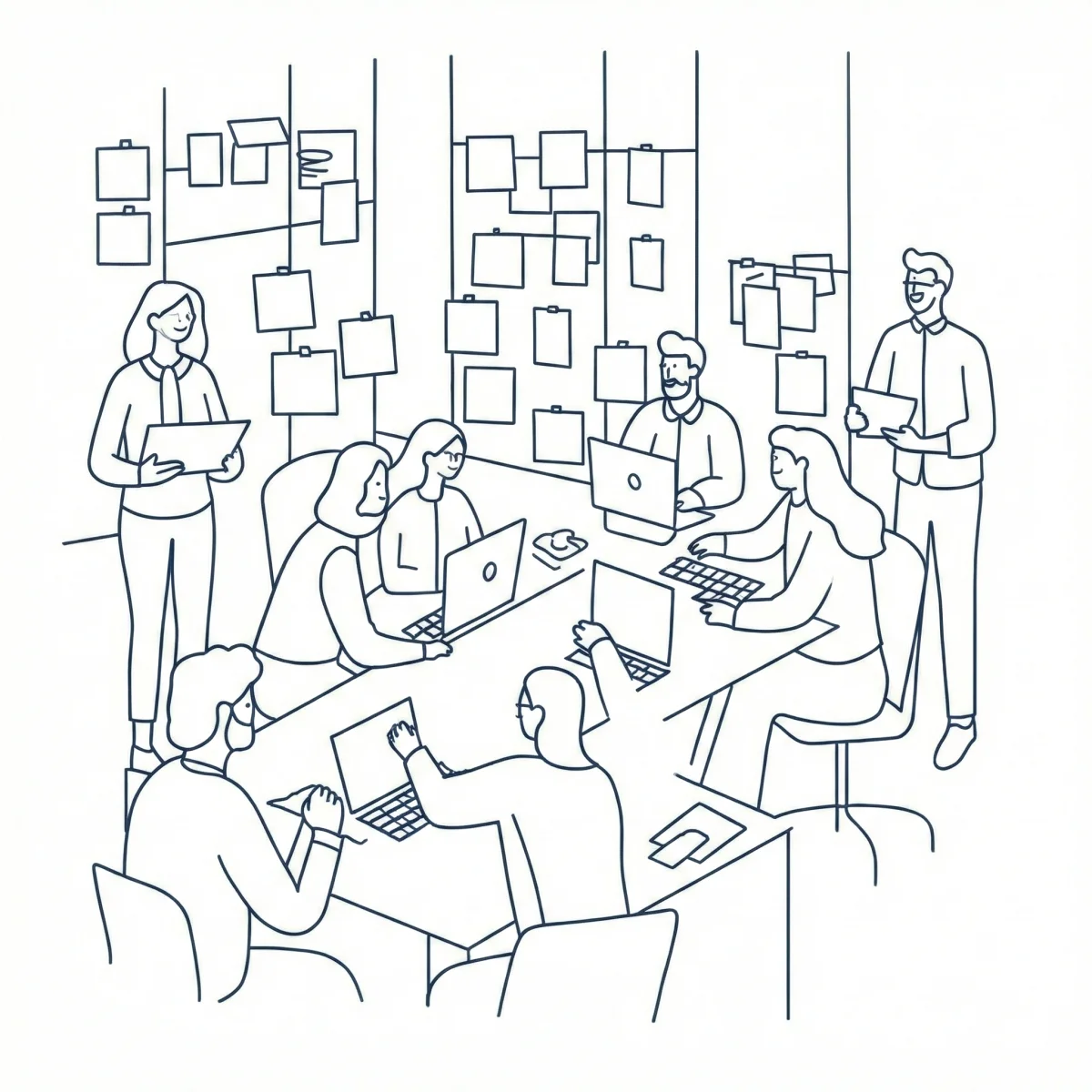
The goal of the process is to make the work easier, not harder. If the ceremonies are draining your team’s energy rather than focusing it, cut them. Return to the basics: Trust your team, protect their time, and measure success by the quality of the product, not the quantity of the tickets.
Is your process hurting your product? If your engineers are burned out and your sprints feel like a struggle, it’s time to rethink how you work. We help teams strip away the "Agile bloat" and build a process that actually supports engineering excellence.
Let’s fix your workflow